
China eSIM Guide: Get Connected Before You Land
An eSIM is the smoothest way for foreign visitors to get online in China: device compatibility, choosing a plan, activation and common mistakes.
In 2026, the smoothest way to get connected entering China is no longer swapping SIM cards or renting a pocket router — it is an eSIM. Buy it five minutes before departure, install by QR code, and it simply works when you land. This guide covers compatibility, plan selection, activation and the traps that catch most people.
Step One: Confirm Your Phone Supports eSIM
- iPhone: XS and everything after (mainland-Chinese-sold models excepted — they lack eSIM, which does not affect your international unit)
- Android: recent flagship models from Samsung, Google Pixel, Xiaomi's international versions and most others support it — search eSIM in settings to confirm
- Two prerequisites: the phone must be carrier-unlocked, and the OS reasonably up to date
Choosing a Plan: Three Options
| Option | Price level | Character | Best for |
|---|---|---|---|
| International eSIM platforms (Airalo, Nomad and peers) | Mid | English-first, QR installation, per-day or per-GB pricing | Short trips — the default choice |
| Chinese carriers' cross-border plans | Low-mid | Ride on China Mobile/Unicom networks; real-name registration | Stays beyond two weeks |
| Home-carrier roaming | High | Zero setup, one bill | The configuration-averse on short trips |
How Much Data
- Maps + payments + WeChat + translation consumes roughly 300-500 MB per day
- Heavy social-video use or laptop tethering: budget 1-1.5 GB per day
- Evening hotel WiFi absorbs a lot — daytime data, nighttime WiFi is the standard rhythm
Most platforms let you top up when you run dry, so start small; a refillable plan beats an oversized one.
Install and Activate: Five Steps
- Order before departure: pick a mainland-China plan, pay, receive a QR code by email
- Scan to install: photograph the QR code and add the data plan — nothing is charged or activated yet
- Keep your primary SIM: set the original SIM for calls and the eSIM for data, so your home number still receives banking codes and family texts
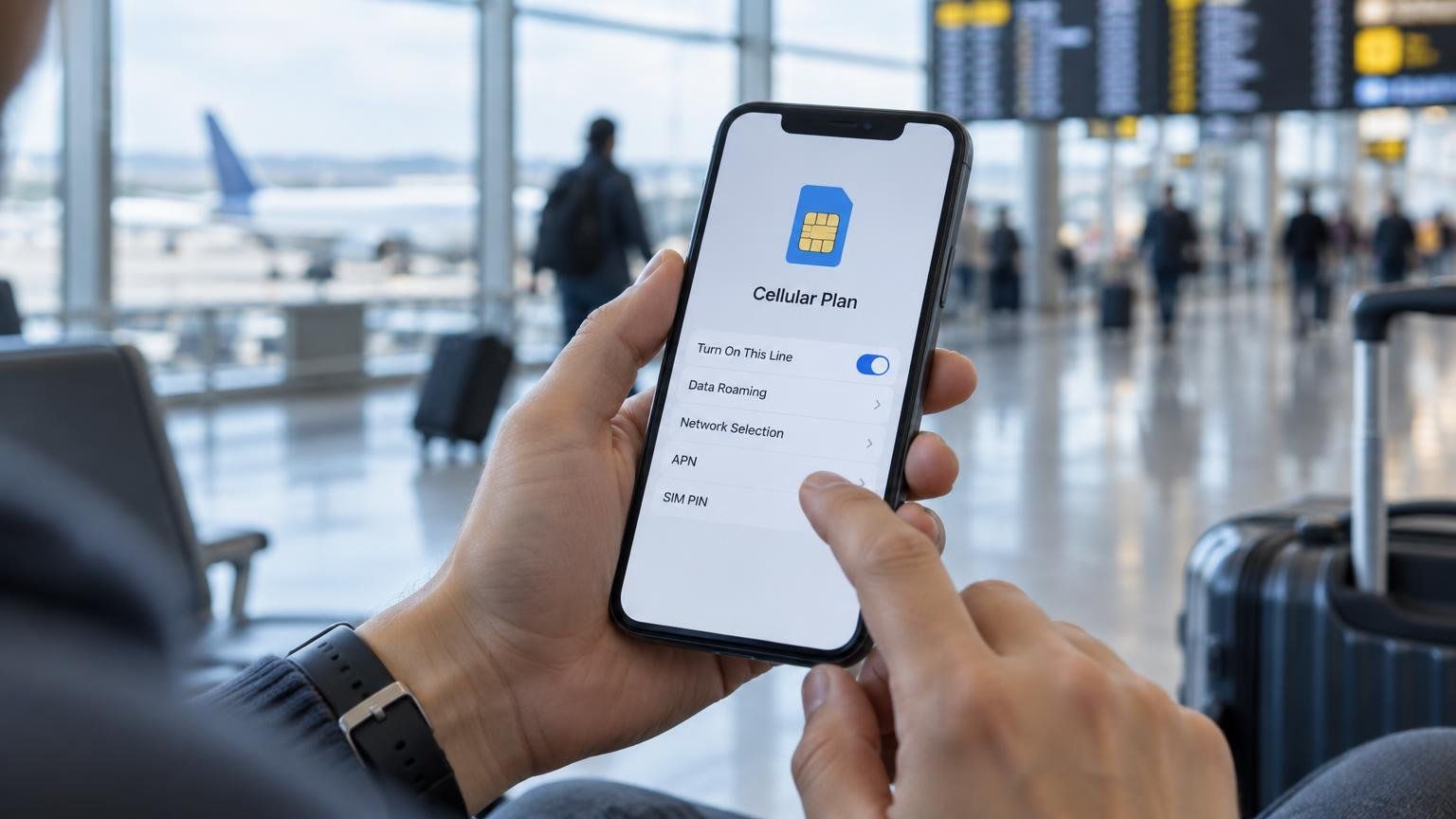
- Switch on landing: toggle the eSIM's data on after touchdown; the network connects within a minute or two
- Verify: load one route in Amap to confirm the pipe works
The eSIM and the Wider Online Environment
An eSIM solves connectivity; it does not change service availability. Local apps run at full speed; restrictions on some foreign social and Google services remain regardless of how you connect. If your trip depends on those, prepare accordingly using our internet guide.
Frequently Asked Questions
Does the eSIM come with a Chinese phone number?
Most travel eSIMs are data-only. Tourists almost never need a local number — hotels, rides and payments all happen inside apps. For the rare local-code registration, your primary roaming SIM receives the SMS.
Can I share a hotspot with a laptop or companion?
Nearly all plans allow tethering (a few unlimited plans restrict it). One phone powering one laptop is effortless; groups can also buy one plan each, usually cheaper overall.
What about iPads and laptops?
Cellular iPads and eSIM-capable laptops can install plans directly; everything else rides your phone's hotspot.
Need help planning your China trip?
Contact our travel advisors for personalized route suggestions.