
First Time in China: Practical Tips Before You Go
A timeline of practical preparations for first-time visitors: payments, apps, transport, food, holidays and cultural habits that catch newcomers by surprise.
When we debrief first-time guests after a trip, what they remember is rarely a monument — it is a string of small surprises: how frictionless payments turned out to be, how punctual the trains were, and how they nearly missed a famous sight because they did not know it required a week-ahead reservation. This guide collects those surprises in advance, ordered along your travel timeline so you can prepare in order.
Before Departure: Four Things That Set the Trip's Floor
- Confirm your visa or visa-free eligibility: check whether your nationality qualifies for 30-day visa-free entry, 240-hour transit, or requires an L visa — this is the foundation of everything else (see our 240-hour transit guide)
- Set up payments at home: configuring Alipay and WeChat Pay on arrival day, jet-lagged, is a waste of your first afternoon. Download, register and bind your card before you fly (full steps in our payments guide)
- Sort your connectivity: several popular international apps do not connect reliably from mainland China — arrange an eSIM or roaming plan and a compliant network solution in advance, and install Amap plus a translation app
- Save key info as Chinese screenshots: hotel name and address, itinerary, destination names. Showing a driver a screenshot works ten times better than pronouncing English street names
Arrival Day: Adjust First, Sightsee Later
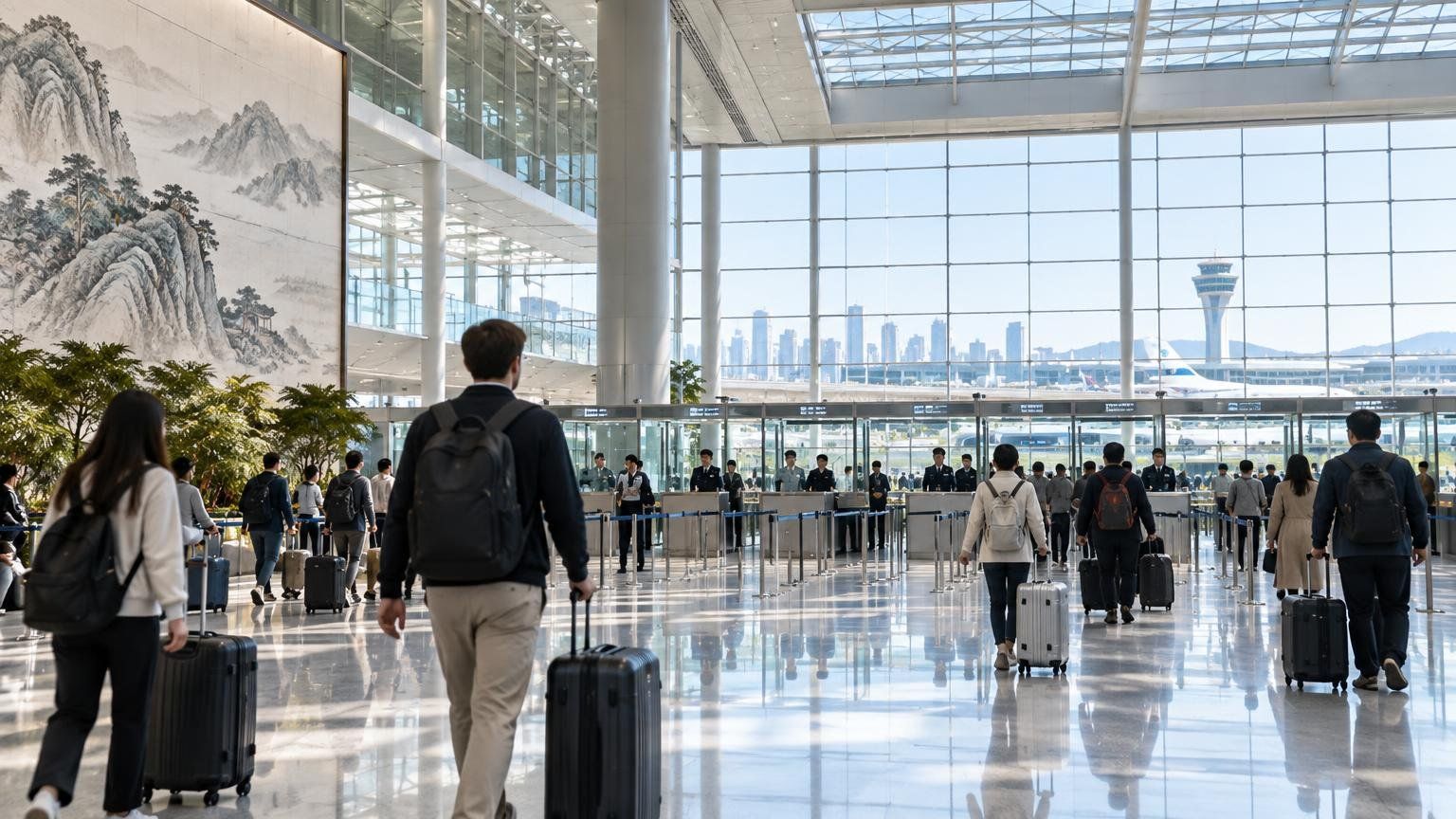
- Entry process: foreign visitors fill in an arrival card and provide fingerprints; follow the Foreigner lane. Twenty to forty minutes is typical
- Carry a little cash: mobile payment covers the vast majority of situations, but keep ¥200-500 in notes for remote stalls, some temple tickets and deposits
- Drink bottled water: tap water in mainland China is not potable. Hotel rooms have kettles; convenience-store water costs ¥2-3
- Navigate with Amap or Baidu Maps: international mapping apps have incomplete data on the mainland. Amap has an English mode; pair it with camera translation for signs and menus
Getting Around: The Hard Rules
- Security screening is everywhere: metro, rail stations and attractions X-ray bags. Liquids are fine; anything blade-like, including fruit knives, is not
- Do not hail taxis on the street: use DiDi — English interface, international card support, automatic location pin, transparent pricing. Street hailing without Chinese works poorly
- High-speed rail between cities: city-center to city-center with remarkable punctuality. Tickets are real-name — your passport is your ticket at the gates (details in our rail guide)
- Book major sights ahead: the Forbidden City, Terracotta Warriors and National Museum all use real-name reservations; Forbidden City tickets open 7 days out. Walking up without one is the single most common first-timer mistake we see
Food: Treat It as Part of the Itinerary
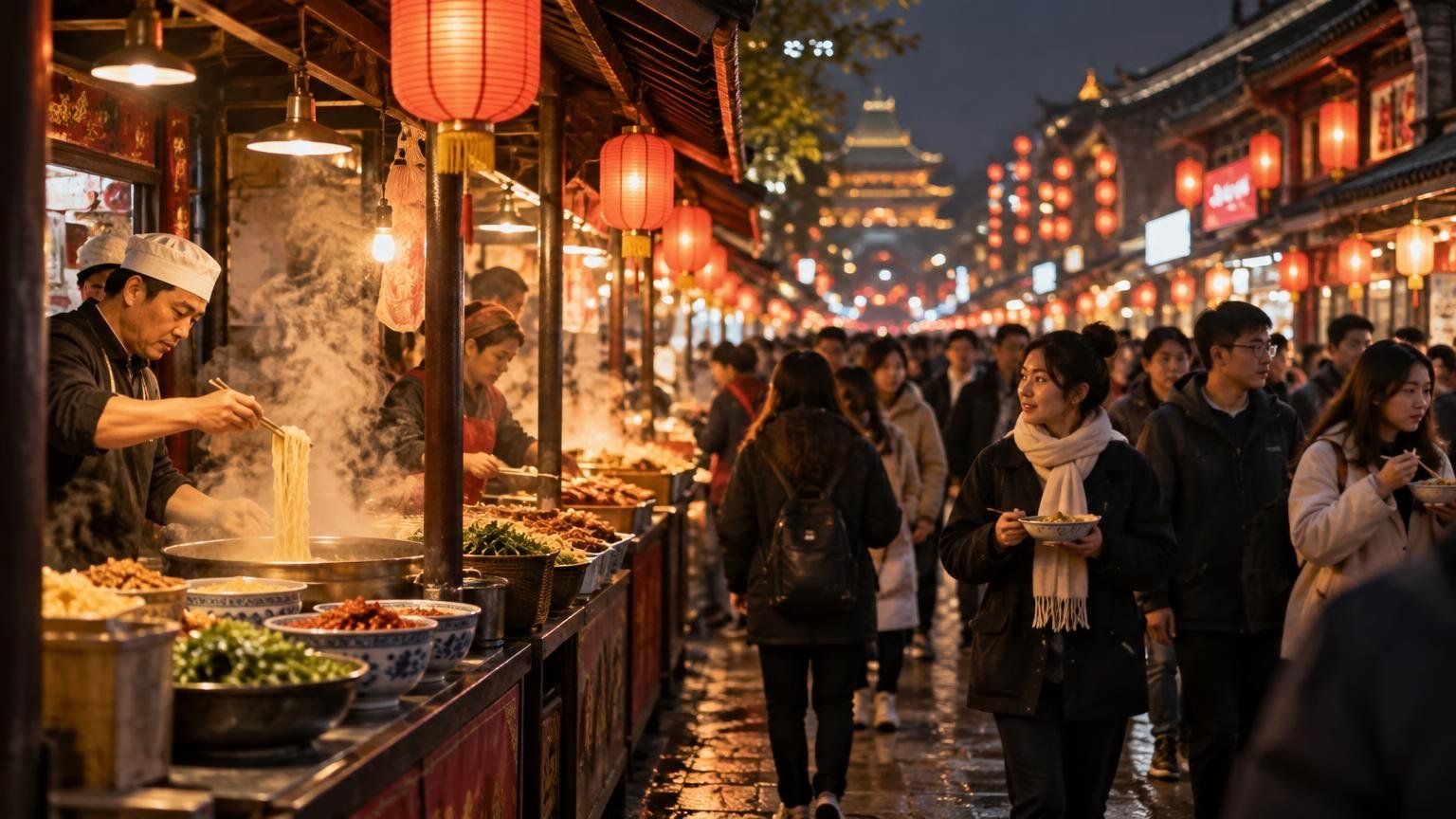
- Chinese food is plural: the chili heat of Sichuan and Hunan, Cantonese freshness, northwestern noodles, Jiangnan's sweet delicacy — the spread resembles the distance between European cuisines. Do not calibrate expectations from your local takeaway
- Negotiate spice levels when ordering: say bu yao la for no chili; even mild (wei la) packs real heat for unaccustomed palates
- QR-code ordering is the norm: many restaurants run entirely from a table QR code — menu, order, payment in one scan. Use camera translation for Chinese-only interfaces
- Skip tap water and be cautious with street ice if your stomach is sensitive; bottled or hot water is universally safe
Culture and Habits: Small Details, Big Goodwill
- No tipping culture: restaurants, hotels and taxis do not expect tips; offering one usually creates confusion
- Being noticed is normal: outside the big cities, foreign faces attract friendly curiosity and occasional photo requests — nearly always well-meant
- Bargaining has a place: markets and souvenir stalls are fair game (start around 30% of asking); fixed-price malls and convenience stores are not
- Queuing is improving but imperfect: hold your ground gently at security and boarding lines during rush periods
Holidays: The Variable That Outweighs Weather
| Period | Crowds | Our advice |
|---|---|---|
| Chinese New Year (Jan-Feb) | Nationwide migration; flagship sites at peak | Avoid, or come for the festivities and accept the premiums |
| Qingming / May Day / Dragon Boat (Apr-Jun) | 3-day mini-breaks, domestic travel spikes | Shift dates by 1-2 days for a dramatic improvement |
| Summer holidays (Jul-Aug) | Family-travel peak; western regions busiest | Book transport and hotels a month ahead |
| National Day Golden Week (Oct 1-7) | The year's absolute peak; hotel rates double | Strongly consider avoiding |
Frequently Asked Questions
Is China safe for solo travelers?
Mainland China ranks among the safest travel environments in the world; violent crime against visitors is extremely rare and city centers are fine late at night. The realistic risks are pickpocketing at crowded sights and traffic — watch for e-bikes when crossing, even on green.
Do I need a power adapter?
Yes. China runs 220V with two-flat-pin or three-pin Chinese-standard sockets. European two-round-pin plugs usually fit directly; US, UK and Australian plugs need a converter. A universal travel adapter covers everything.
What if an emergency happens?
Police 110, ambulance 120, fire 119. Most five-star hotels have an English-speaking duty manager who can assist, and your consulate is a fallback. Guests traveling with us have a 24-hour Chinese-English assistance line.
Need help planning your China trip?
Contact our travel advisors for personalized route suggestions.