
Is China Safe for Tourists? An Honest Safety Guide
An honest assessment of travel safety in China: crime, traffic, food, medical care and common scams, with emergency contacts.
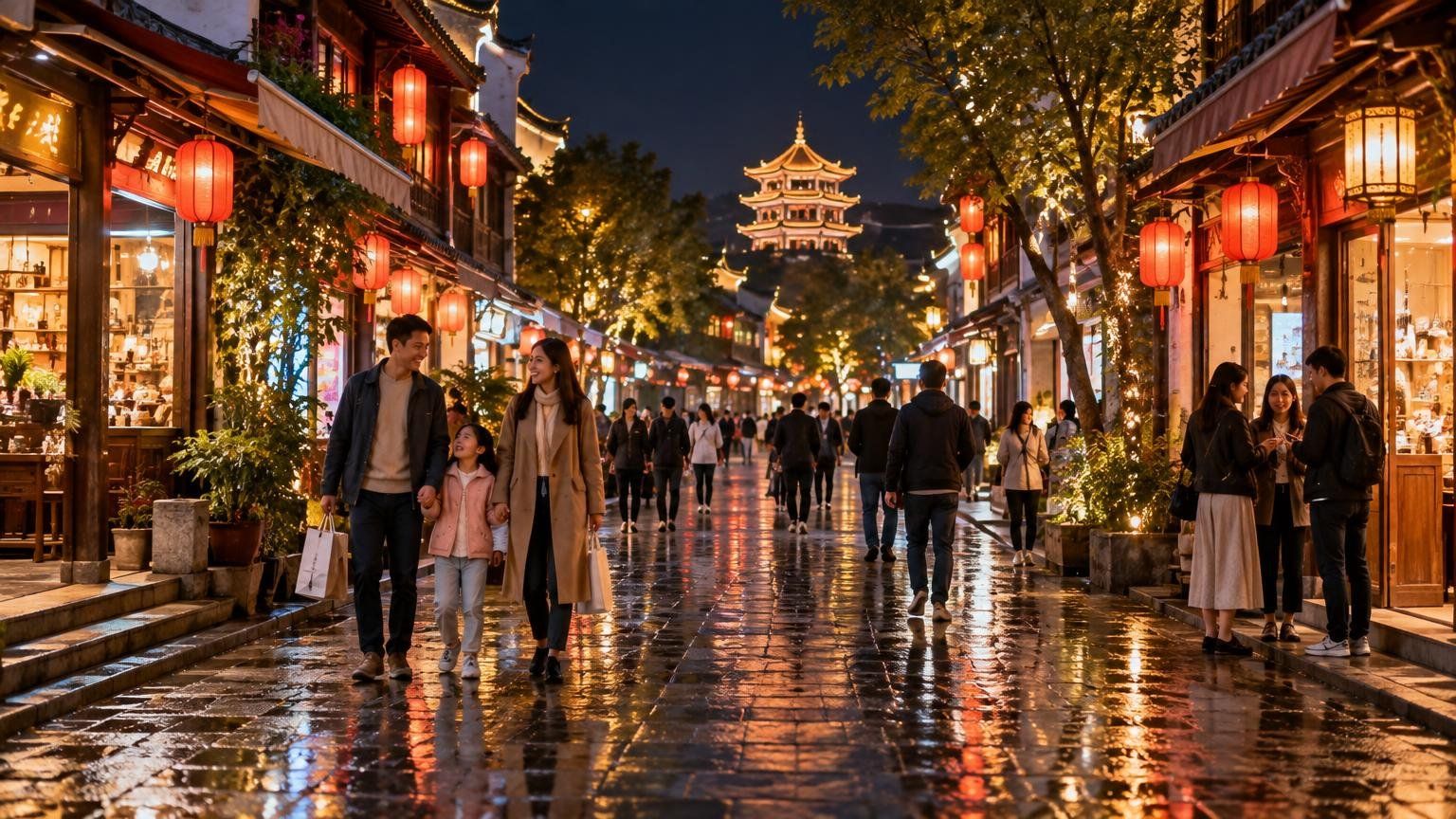
Whenever guests ask whether China is safe, our answer never changes: on public order it is one of the easiest destinations in the world — violent crime against visitors is vanishingly rare, and late nights in major city centers are unremarkable. What deserves real preparation are three smaller things: traffic habits, consumer scams and a medical plan. This guide takes them in order of actual importance.
Public Order: The Part You Can Relax About
- Violent crime: robbery and assault targeting foreign visitors are extraordinarily rare — a decade of guiding has never contradicted this
- Nightlife hours: first-tier city centers stay crowded past 22:00; solo evening activity is normal and safe
- Property risk: the only real concern is pickpocketing in dense crowds — guard your phone at attraction queues and rush-hour metro
Traffic: The Risk That Actually Deserves Respect
In China, traffic outranks crime as a safety topic by a wide margin. Three specifics:
- E-bikes: cities swarm with silent, fast electric scooters; cross at crossings and glance both ways even on green — a green light is not an absolution
- Seat belts: belt up front and back, city and highway alike; charter only licensed operators (every vehicle and driver on our trips is compliant and professional)
- Self-driving: we advise against it for short visits — licensing rules, road culture and navigation language stack three barriers; chartering wins on every axis
Food and Health
- Water: tap water is not potable; bottled water and hotel kettles cover everything
- Restaurants: busy places turn over stock fast and are the safe bet; street food from hot, freshly-cooking stalls is ironically among the safest options
- Medical care: even third-tier cities have functioning public hospitals, and first-tier cities have international clinics with English service; bring your passport to register, and buy travel insurance with medical evacuation before departure
Five Classic Scams
- The tea ceremony invite: a friendly stranger offers tea or English practice, ending in an astronomical bill — decline warmly and firmly
- Fake monks: roadside blessing tokens followed by donation demands; real temples do not operate this way
- Taxi detours: eliminated at the root by using DiDi (see our DiDi guide); if you must hail, insist on the meter
- Closed today: someone at the gate claims the sight is shut and offers an alternative — trust official channels only
- Menu-less restaurants: ask prices before sitting down; this rule serves you in every country on earth
Emergency Quick Reference
| Situation | Number/channel | Notes |
|---|---|---|
| Police | 110 | Public order and general help |
| Ambulance | 120 | Medical emergencies; English desks in big cities |
| Fire and rescue | 119 | Fires and technical rescue |
| Consular assistance | Your embassy/consulate | Lost documents, serious disputes |
| Hotel front desk | 24 h | Five-star hotels staff English duty managers |
| Our guests | Dedicated hotline | Chinese-English, around the clock |
Frequently Asked Questions
What if I lose my passport?
Three steps: report at the local police station for a loss certificate → contact your consulate for replacement travel documents → adjust flights and hotels. Your pre-trip photocopy and scan now save hours of pain.
Should I worry about air quality?
Major cities have improved dramatically over the past decade and most days are unremarkable. Northern winters occasionally bring haze; sensitive travelers carry a mask, and itineraries need no adjustment.
Need help planning your China trip?
Contact our travel advisors for personalized route suggestions.